Tennis Elbow Treatment & Care: Causes, Symptoms & Recovery
That sharp, burning ache on the outside of your elbow isn't just an annoyance; it's a roadblock. Whether you’re trying to turn a door handle, hold a cup of coffee, type an email, or shake hands with a client, outer elbow pain turns everyday motions into agonizing tests of endurance.
If you are experiencing persistent soreness, weak grip strength, or a radiating ache down your forearm, you may be dealing with Tennis Elbow (medically known as lateral epicondylitis).
The most important thing to know right now? You don't have to live with it. You can move from injury to independence with the right care team, evidence-based treatments, and a personalized recovery plan.
What Is Tennis Elbow?
Despite its name, Tennis Elbow affects far more non-athletes than tennis players.
Lateral epicondylitis is a painful condition caused by repetitive strain and overuse of the forearm muscles and tendons. Specifically, it impacts the point where the tendons attach to the bony bump on the outside of your elbow (the lateral epicondyle).
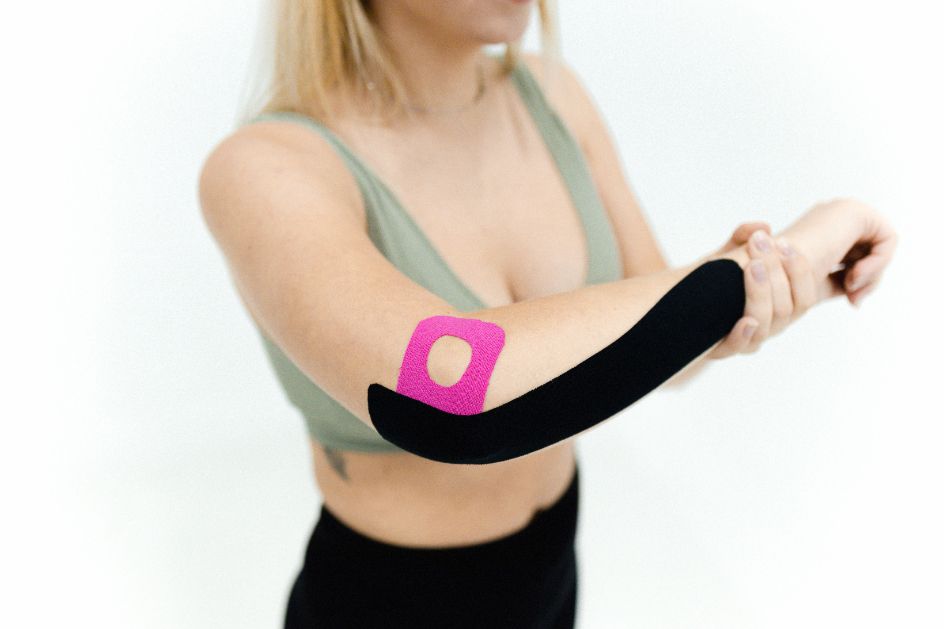
Over time, repetitive wrist extensions and gripping motions cause micro-tears in the extensor carpi radialis brevis (ECRB) tendon. When these microscopic tears don't have enough time to heal, inflammation sets in, leading to chronic swelling, tissue degeneration, and constant pain without proper medical care.
Primary Symptoms of Tennis Elbow:
- Outer Elbow Burning: A dull, persistent ache or sharp pain localized on the outer elbow.
- Weakened Grip: Difficulty gripping objects like racquets, heavy tools, or grocery bags.
- Forearm Stiffness: Tightness radiating down the forearm into the wrist.
- Motion Sensitivity: Heightened pain when extending the wrist, twisting a doorknob, or lifting items with your palm facing down.
What Causes Tennis Elbow?
Tennis Elbow is an overuse injury driven by repetitive stress. Any activity that forces your wrist to extend or twist under tension over and over can trigger it.
Frequent Causes and Triggers:
- Occupational Stress: Tradespeople (carpenters, plumbers, painters, mechanics), assembly line workers, and chefs frequently experience strain from repetitive tool use.
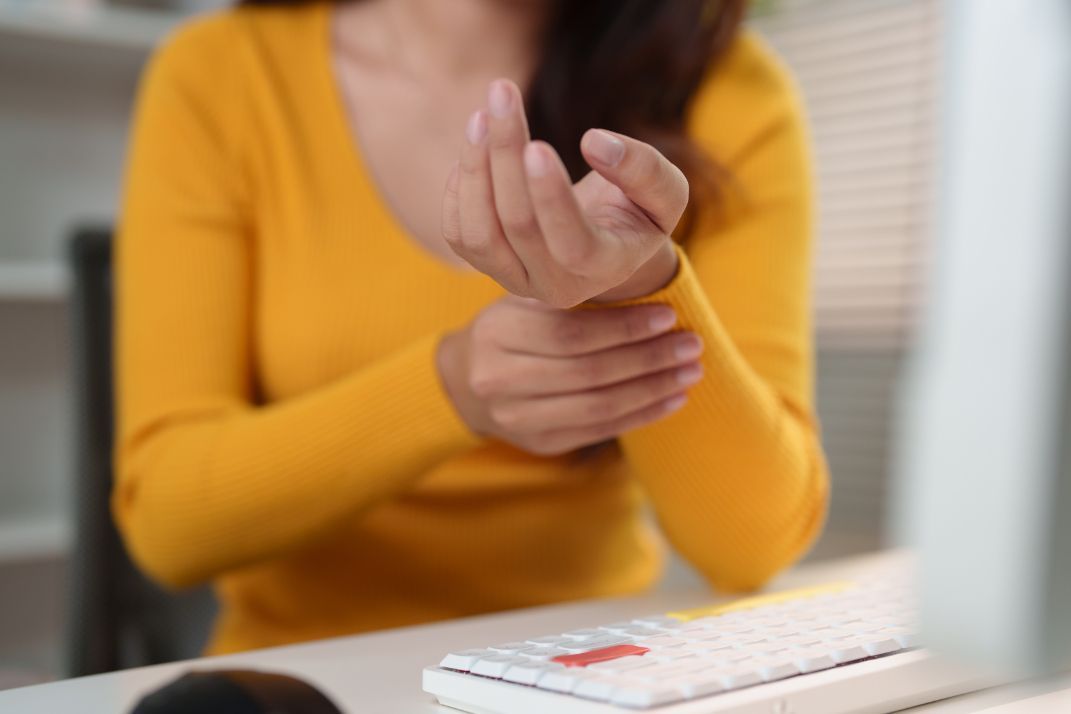
- Desk & Computer Work: Frequent typing and heavy mouse usage without proper wrist support keep the forearm extensor muscles under constant tension.
- Sports & Athletics: Racquet sports (tennis, pickleball, squash), golf, weightlifting, and rowing put intense load on the elbow tendons.
- Everyday Chores: Gardening, yard work, painting a room, or using manual tools during weekend DIY projects.
Most cases occur between ages 30 and 50, but anyone performing repetitive arm movements can suffer from tendon fatigue and require structured treatment.
How Tennis Elbow Disrupts Your Daily Life
Living with chronic elbow pain is exhausting. When basic movements trigger a sharp, shooting pain, you slowly stop doing the things you love.
- Work Impact: Typing becomes agonizing, tool operation becomes unsafe, and simple tasks take twice as long.
- Loss of Hobbies: Playing sports, lifting weights, working in the garden, or playing an instrument get put on hold.
- Compensation Injuries: To protect your elbow, you naturally alter how you move, often straining your shoulder, upper back, or wrist in the process.
The Danger of "Pushing Through": Ignoring outer elbow pain transforms acute tendon inflammation into chronic tendinosis, a condition where the tendon tissue physically deteriorates. Early diagnosis and proactive care prevent long-term tissue damage and shorten your overall recovery time.
Proven Treatments: Your Path to Recovery
At AVORS Medical Group, we take a multidisciplinary approach to elbow pain. We combine conservative therapies, physical medicine, sports medicine, and advanced orthopedic procedures to match your specific severity level.
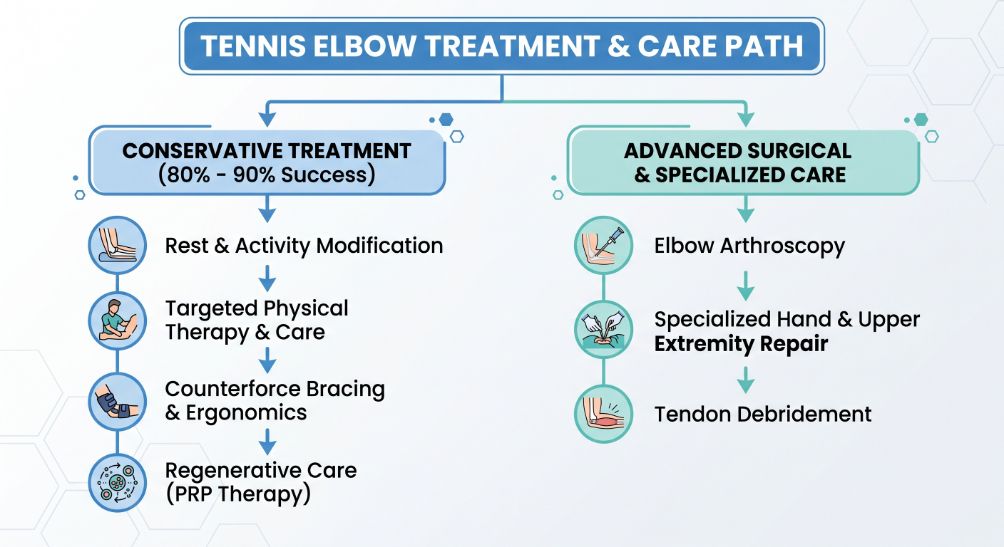
1. Conservative Treatment & Non-Surgical Care (80%–90% Success Rate)
The majority of Tennis Elbow cases respond exceptionally well to targeted non-operative treatments and structured physical care:
- Activity Modification & Rest: Temporarily easing off stress-inducing movements to allow micro-tears to heal.
- Targeted Physical Therapy: Specialized stretches and eccentric forearm-strengthening exercises rebuild tendon durability. Explore our specializedTennis Elbow Pain Treatment & Therapy andSports Medicine Services.
- Supportive Bracing: Counterforce elbow braces relieve tension on the tendon attachment point during daily activities and ongoing care.
2. Advanced Regenerative Treatment Options
When standard rest and physical therapy plateau, modern regenerative care helps restart the body’s natural healing process:
- PRP (Platelet-Rich Plasma) Therapy: Platelet-rich plasma extracted from your own blood is injected directly into the damaged tendon to accelerate cellular repair, reduce chronic inflammation, and enhance long-term care outcomes.
3. Surgical Precision & Surgical Care for Persistent Pain
If severe pain continues for 6 to 12 months despite conservative treatment, surgical evaluation may be recommended.
- Minimally Invasive Arthroscopy: Procedures likeElbow Arthroscopy allow surgeons to remove damaged tendon tissue through tiny incisions, speeding up recovery time.
- Specialized Care: Fellowship-trained surgeons such asDr. Justin B. Heller and our dedicatedPalmdale Hand Surgeons provide expert care for complex hand, wrist, and upper extremity conditions.
Prevention & At-Home Care Tips
Simple adjustments and preventative care can protect your tendons from future strain:
- Use the "Palm-Up" Rule: When lifting items, keep your palms facing upward. This shifts the physical load away from the outer elbow tendons to the stronger medial side of your arm.
- Optimize Workspace Ergonomics: Ensure your forearms are parallel to the floor while typing, keeping your wrists neutral rather than bent backward.
- Warm Up Before Strain: Stretch your forearm extensors before sports, heavy lifting, or repetitive manual tasks.
- Check Your Equipment: If you play racquet sports, have a professional check your grip size and string tension. Grips that are too small or strings that are too tight place extra strain on your elbow.
Frequently Asked Questions
How long does Tennis Elbow treatment take to work?
With conservative treatment and dedicated physical care, mild to moderate cases typically improve within 6 to 12 weeks. Chronic or severe cases may take several months of structured therapy and specialized care to fully recover.
Can Tennis Elbow go away on its own without care?
While minor strain may ease with rest, continuing the repetitive activity that caused it often leads to chronic degeneration. Early medical evaluation and treatment prevent long-term tendon damage.
What is the difference between Tennis Elbow and Golfer’s Elbow?
Tennis Elbow (lateral epicondylitis) causes pain on the outside of the elbow. Golfer’s Elbow (medial epicondylitis) causes pain on the inside of the elbow. Both conditions stem from repetitive muscle strain and require targeted treatment plans.
When should I seek specialist care in the Antelope Valley?
If your elbow pain persists for more than two weeks, interferes with sleep, or limits basic hand and wrist function, schedule a consultation with an orthopedic or hand specialist for comprehensive evaluation and treatment.
Reclaim Pain-Free Movement with AVORS Medical Group
You don't have to push through the pain. The multidisciplinary team at AVORS Medical Group is ready to create a personalized treatment and care plan tailored to your unique lifestyle.
Take the first step toward lasting relief today. Contact us online through our
AVORS Contact Page or call
(661) 726-5005 to schedule your appointment at our Lancaster, Palmdale, or Valencia clinics.