PRP Therapy Near Me: Heal Injuries with Your Body's Power
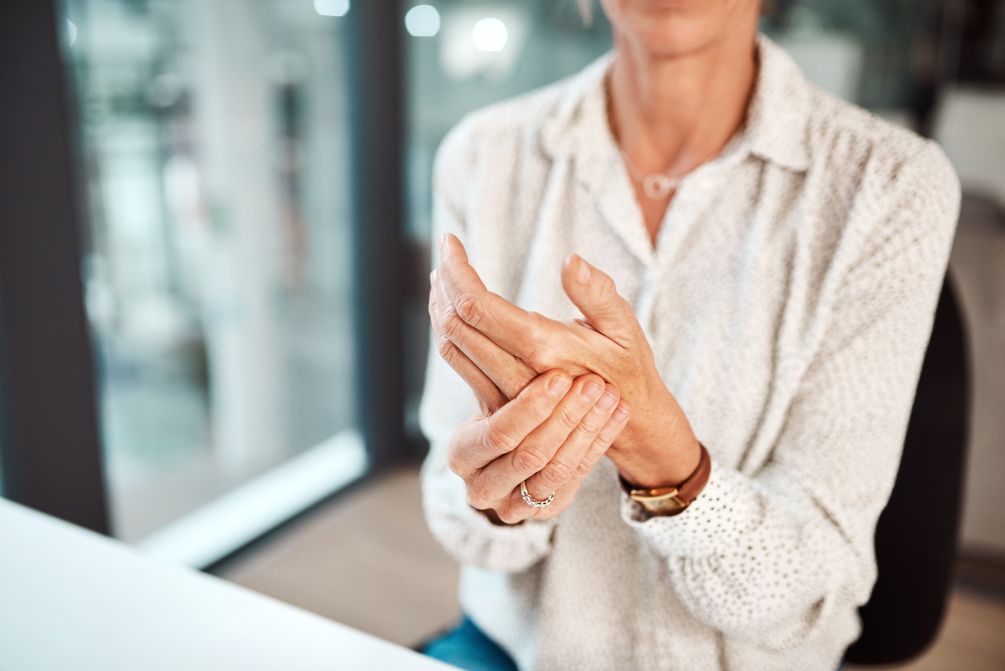
Living with chronic pain or a stubborn injury can make your world feel incredibly small. Whether you are an active senior trying to walk down the stairs without knee stiffness, a weekend warrior sidelined by a tendon tear, or a local worker struggling to get through a physical shift, the goal is always the same: moving from injury to independence.
When searching for "PRP therapy near me," you aren’t just looking for a medical procedure; you are looking for a way to reclaim your life without invasive surgery or long recovery times.
At AVORS Medical Group, our multidisciplinary team of board-certified and fellowship-trained specialists offers cutting-edge regenerative medicine to help your body heal itself from the inside out. Let’s break down exactly what Platelet-Rich Plasma (PRP) therapy is, how it works, what it treats, and why patients across Lancaster, Palmdale, and Valencia trust us with their recovery.
What is Platelet-Rich Plasma (PRP) Therapy?
To understand Platelet-Rich Plasma, you first have to look at how your body naturally heals. When you cut your finger or sprain an ankle, your body immediately dispatches platelets to the site of the injury. Platelets are the cells in your blood responsible for clotting, but they also contain hundreds of specialized proteins called growth factors. These growth factors are your body's natural "construction crew," signaling cells to repair damaged tissue and regenerate blood vessels.
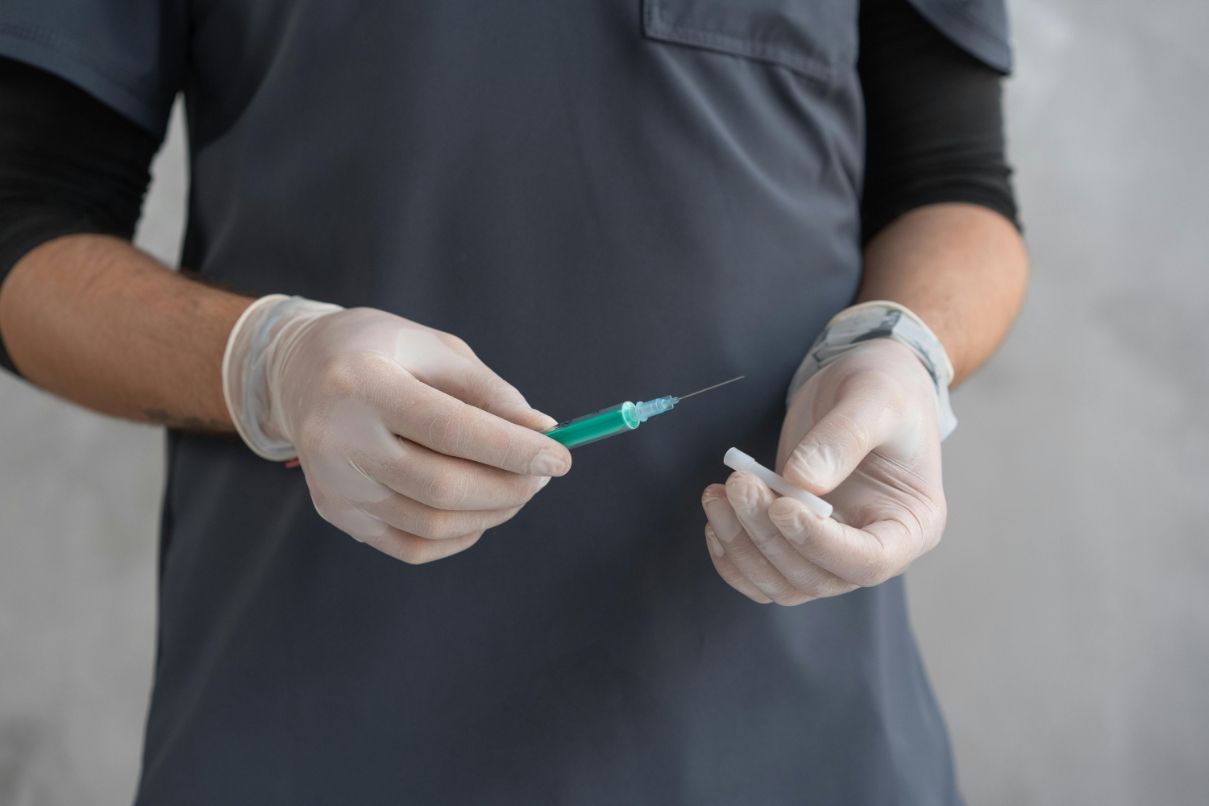
PRP therapy is a concentrated form of this natural healing response. By drawing a small sample of your own blood and isolating the platelets, we create a highly concentrated solution. In fact, standard PRP contains a platelet concentration that is 5X to 10X richer than normal, untreated blood.
When we inject this concentrated formula directly into your injured tissue, it acts as a turbocharger for your body's repair systems. This advanced treatment belongs to the rapidly evolving field of regenerative medicine, an area of healthcare dedicated to restoring damaged tissues instead of just masking the symptoms.
What Can PRP Therapy Help With?
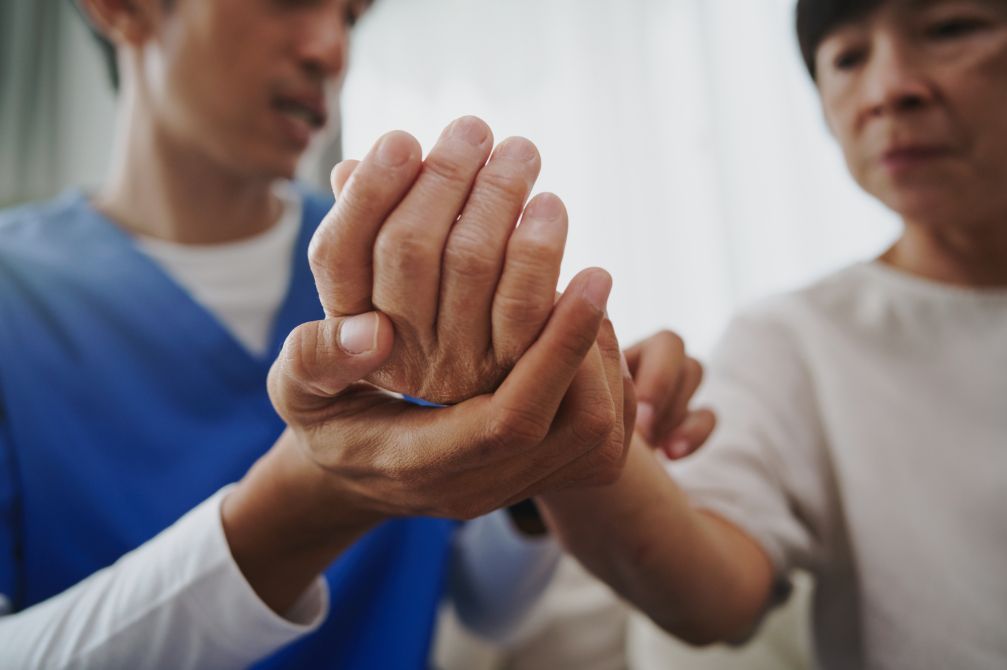
Because PRP is a natural, versatile healing agent, it is highly effective for a wide range of orthopedic, podiatric, and sports medicine conditions. It is an excellent middle ground for patients who have found no relief from physical therapy or anti-inflammatory medications, but who want to avoid or delay joint surgery.
Here is a closer look at why PRP is so effective for these common conditions:
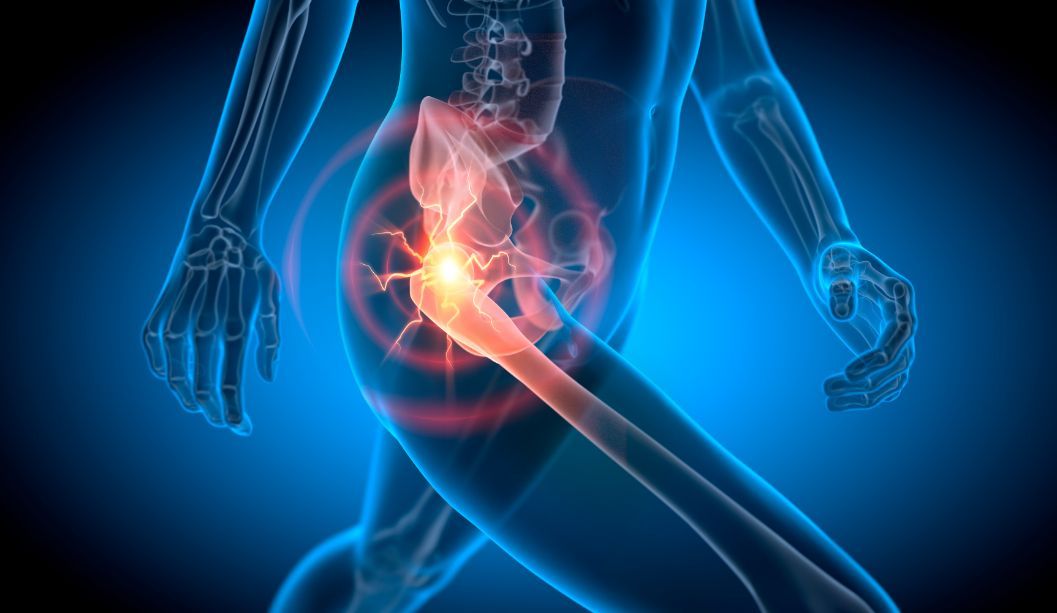
- Osteoarthritis (Knee, Hip, & Shoulder): Osteoarthritis is characterized by the gradual breakdown of protective cartilage and chronic joint inflammation. PRP helps by delivering anti-inflammatory cytokines and growth factors (such as TGF-B) directly into the joint space. This process downregulates the inflammatory enzymes that degrade cartilage, stimulates the native joint cells to produce lubricating synovial fluid, and helps preserve the remaining healthy joint structures.
- Tendonitis and Ligament Injuries (Tennis Elbow, Achilles, & Patellar Tendonitis): Tendons and ligaments have notoriously poor blood supply (hypovascularity), which is why tendon injuries often become chronic "tendinosis" instead of healing. PRP overcomes this limitation by delivering essential growth factors like VEGF (Vascular Endothelial Growth Factor) to the site. This triggers angiogenesis (the formation of new blood vessels) and stimulates collagen synthesis, transforming a stagnant, chronic injury into an actively healing tissue.
- Rotator Cuff Tears: The tendons of the rotator cuff are under constant mechanical tension, and minor tears can easily worsen over time. PRP injections help by stimulating cellular proliferation and extracellular matrix remodeling at the tendon-to-bone interface. This strengthens the attachment point, reduces localized inflammation, and helps active individuals and athletes regain essential shoulder stability and range of motion.
- Chronic Back and Neck Pain: Chronic spinal pain often stems from micro-instability in the facet joints or wear and tear on the supporting spinal ligaments. PRP targets these specific, hard-to-reach structures. By promoting collagen deposition and tissue remodeling in the lax ligaments and joint capsules of the spine, PRP helps stabilize minor structural weaknesses and calms localized neuropathic pain.
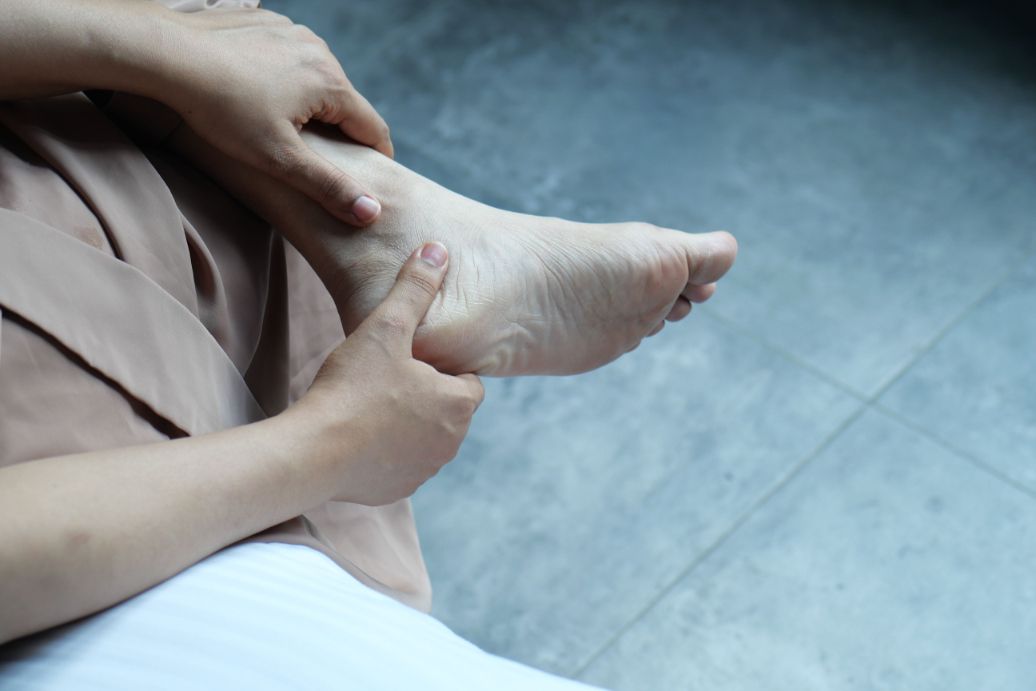
- Foot and Ankle Pain (Plantar Fasciitis & Ankle Sprains): Conditions like plantar fasciitis are often degenerative rather than purely inflammatory. Chronic ankle instability from repeated sprains also indicates stretched, weakened ligaments. PRP accelerates tissue remodeling to restore the natural elasticity and tensile strength of the plantar fascia and lateral ankle ligaments. If you are dealing with persistent lower extremity pain, you can learn more about our highly targeted approach to PRP for ankle and foot pain in Lancaster.
Step-by-Step: What to Expect During the Procedure
Many patients feel anxious about medical procedures, but PRP therapy is a straightforward, outpatient treatment performed right in our comfortable local offices. The entire process takes less than an hour, and there is virtually no downtime.
Here is what your visit looks like:
Step 1: The Quick Blood Draw
We begin by drawing a small amount of blood from your arm, exactly like a routine blood test. Because we are using your own blood, there is zero risk of an allergic reaction or donor rejection.
Step 2: High-Speed Separation
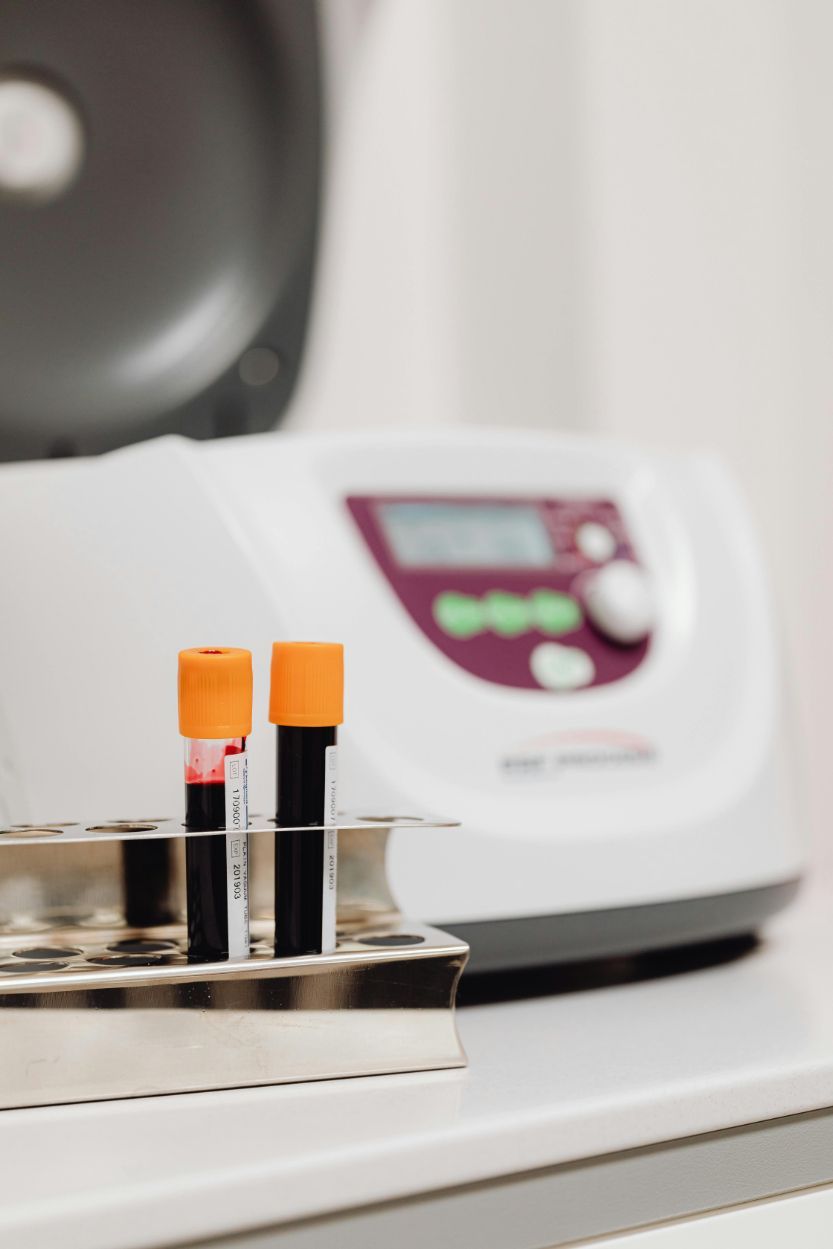
We place your blood sample into a specialized medical device called a centrifuge. This machine spins the sample at highly calculated speeds, utilizing centrifugal force (G-force) to separate the blood into distinct layers: red blood cells, platelet-poor plasma, and the highly concentrated "buffy coat" containing your platelets and white blood cells.
Step 3: Precision Injection
Our board-certified specialists extract the concentrated platelet layer. Using advanced ultrasound guidance, we pinpoint the exact micro-environment of your injury. This real-time imaging ensures that the healing platelets are delivered precisely where they will do the most good, maximizing your results and keeping discomfort to a minimum.
To learn more about the science behind our precise preparation methods, visit our dedicated Platelet-Rich Plasma Therapy page.
The AVORS Difference: Why Antelope Valley Chooses Us
When looking for regenerative care, expertise matters. PRP therapy is highly operator-dependent; the concentration of platelets, the activation method, and the precision of the injection all dictate how successfully you heal.
At AVORS Medical Group, we don’t look at your injury in isolation. We are a multidisciplinary practice. This means your regenerative specialist collaborates directly with our in-house orthopedic surgeons, chiropractors, podiatrists, and physical therapists.
If PRP can help you avoid surgery, we will use it. If you require physical therapy to maximize your PRP results, our team coordinates your rehab seamlessly. We don't just treat symptoms; we build a complete pathway from your injury back to your independent, active lifestyle.
FAQs About PRP Therapy
Is PRP therapy painful?
While a needle stick is required for both the blood draw and the injection, we take every step to ensure your comfort. We use localized numbing agents at the injection site. Most patients describe the sensation as a feeling of temporary pressure or fullness in the joint rather than sharp pain.
How long does it take for PRP to start working?
Unlike temporary steroid injections, which offer instant (but temporary) relief, PRP is rebuilding your tissue. Most patients begin to experience noticeable pain reduction and improved mobility within 4 to 6 weeks, with continued healing occurring for up to several months after the injection.
How many PRP treatments will I need?
The number of treatments depends entirely on the severity of your injury and your body's individual healing response. While some patients experience dramatic relief after a single injection, a standard treatment protocol typically consists of 1 to 3 sessions spaced several weeks apart.
Do I need a referral to get PRP therapy at AVORS?
In many cases, a direct referral is not required to consult with our regenerative medicine team. However, because insurance coverage for regenerative procedures can vary, we recommend contacting our billing specialists to verify your specific plan benefits before your first visit.
Reclaim Your Movement Today
You do not have to accept chronic pain or physical limitations as a permanent part of your life. Whether your goal is playing a full round of golf, keeping up with your grandchildren, or returning to competitive sports, regenerative medicine offers a powerful, scientifically proven alternative to invasive surgery.
Disclaimer: The information provided in this article is for educational purposes only and should not replace professional medical advice. Every patient's body and injury are unique.
To find out if Platelet-Rich Plasma therapy is the right choice for your specific condition and goals, take the first step toward recovery and contact the specialists at AVORS Medical Group today to schedule your comprehensive consultation.