Dr. Eric Owashi Total Knee Replacement with the DePuy System
Regain Your Stride and Reclaim Your Independence
Chronic knee pain doesn’t just limit your movement it shrinks your life. Whether you are a weekend warrior who has had to give up the local trails, a dedicated worker struggling to get through a shift, or a grandparent finding it hard to play with the kids, joint degradation steals your independence.
But you do not have to settle for a life of "managing symptoms."
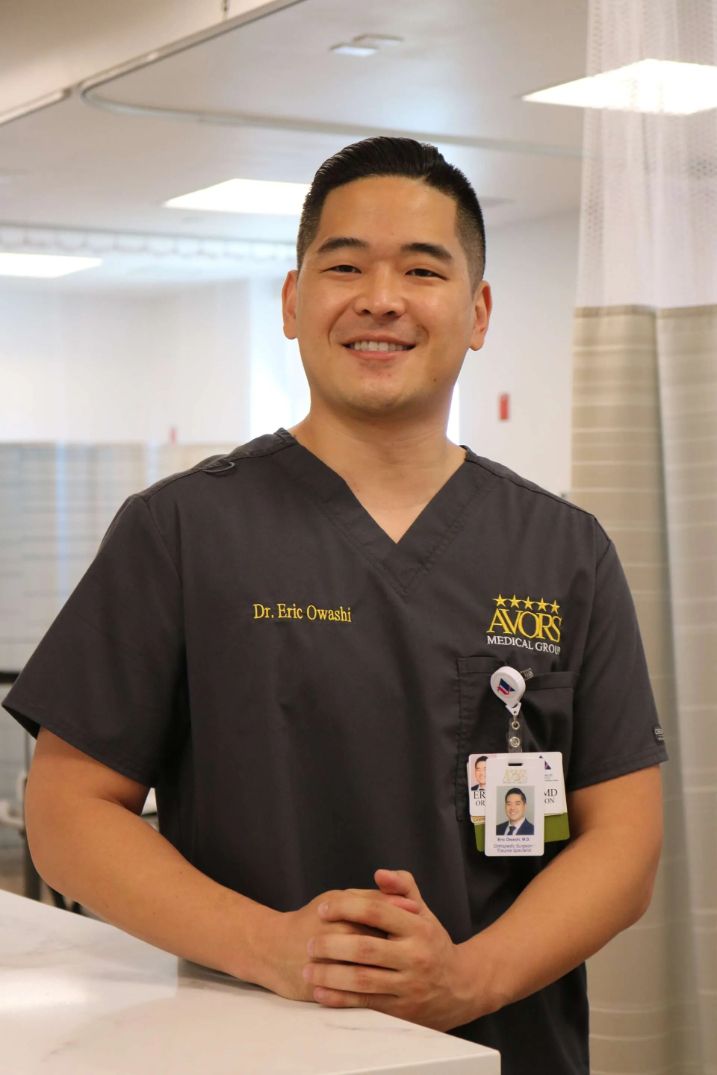
At AVORS Medical Group, our mission is to take you from injury to independence. For patients suffering from severe joint damage, Dr. Eric Owashi, our fellowship-trained, board-certified orthopedic surgeon, specializes in restoring mobility using the cutting-edge DePuy Synthes Total Knee System.
Here is why patients choose this life-changing procedure, what the surgical journey looks like, and why your active participation in recovery is the ultimate secret to a successful outcome.
Why Choose a DePuy Total Knee Replacement?
When conservative treatments like physical therapy, cortisone injections, and bracing stop working, total knee replacement (arthroplasty) becomes the gold standard for reclaiming your active lifestyle.

Patients typically seek out Dr. Owashi for a DePuy Total Knee Replacement when they experience:
- Bone-on-bone arthritis: Cartilage has worn away completely, causing painful friction.
- Persistent stiffness: An inability to bend or straighten the knee, making basic movement difficult.
- Disrupted sleep: Chronic joint pain that aches deep into the night.
The DePuy Synthes Total Knee System is engineered to mimic the natural, complex movement of the human knee. By replacing the damaged bone and cartilage with highly durable, biomechanically advanced implants, the DePuy system offers exceptional stability and a smoother, more natural range of motion.
The Tech Advantage: Unmatched Surgical Precision in Lancaster
Orthopedic surgery has evolved, and Dr. Owashi brings the absolute highest standard of care directly to the Antelope Valley.
During the procedure, the damaged portions of your femur (thighbone) and tibia (shinbone) are carefully prepared and replaced with the DePuy implant. To ensure the implant is aligned with pinpoint accuracy, Dr. Owashi utilizes state-of-the-art technological aids. In fact, AVORS is proud to offer the only robotic-assisted knee replacement in Lancaster, CA.
This robotic-assisted precision means a customized fit tailored perfectly to your unique anatomy. The result: less trauma to surrounding soft tissue, a more natural-feeling joint, and a faster return to your daily life.
The Crucial 8-Week Window: The Biological Race Against Scar Tissue
Surgery fixes the structural alignment of your joint, but your dedication to rehabilitation determines your final range of motion.
As Dr. Owashi emphasizes in his guided recovery instructions, the most critical phase of your entire knee replacement journey happens immediately after surgery: the first 6 to 8 weeks.
During this brief window, your body is actively healing and forming scar tissue. If you let that scar tissue harden while your knee is bent or stiff, it becomes a permanent roadblock. You have a finite amount of time to stretch that healing tissue while it is still pliable.
Achieving Full Extension and Flexion
To ensure your knee functions perfectly for the next 20+ years, your physical therapy must focus on two physical goals:
- Extension (Straightening): Getting the leg completely flat. This is crucial for a normal walking gait.
- Flexion (Bending): Bending the knee back as far as possible. This is what allows you to sit comfortably and climb stairs.
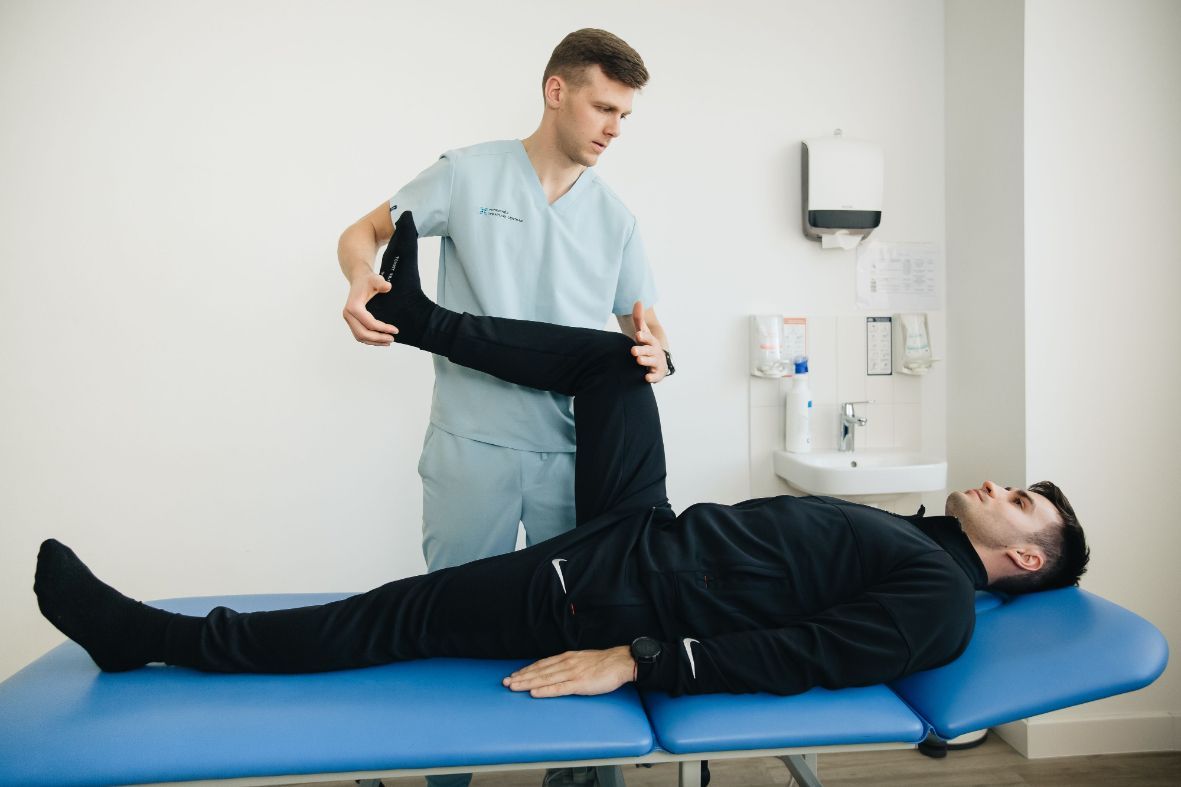
In this essential recovery video featuring Dr. Owashi, you can see exactly how these movements look in real-time. Do not let fear or temporary discomfort keep you from moving. You must push through the initial stiffness to prevent the joint from freezing up permanently.
To help you stay on track daily, follow our detailed guide on post-knee replacement stretches.
Beating the Pain Barrier: The AVORS Multidisciplinary Advantage
We understand that moving a post-operative joint can be daunting. You might worry that the pain will prevent you from doing your exercises.
This is where the unique team-based structure at AVORS Medical Group benefits you. Dr. Owashi works closely with our in-house pain specialists and physical therapy teams to implement advanced, multi-modal pain management practices after knee replacement surgery.
By using targeted nerve blocks, localized medications, and customized therapies, we minimize your discomfort. This controlled pain level allows you to confidently execute your vital daily stretches and conquer your recovery.
Frequently Asked Questions (FAQs)
How long does a DePuy Total Knee implant last?
Thanks to advanced medical-grade materials and robotic-assisted surgical precision, modern knee replacements are incredibly durable. The DePuy Synthes system utilizes highly cross-linked polyethylene (an advanced medical-grade plastic) and exceptionally strong cobalt-chromium alloys engineered to resist wear.
Clinical registry data indicates that the vast majority of modern knee implants last 15 to 20 years, and often much longer. Your implant's actual lifespan depends on variables like your overall health, body weight, and activity level. Avoiding high-impact activities (like running or jumping) while staying highly active with low-impact exercises (like cycling, swimming, and walking) will maximize the lifespan of your new joint.
Why is the 8-week post-op mark so critical for stretching?
This comes down to the biology of tissue healing. Immediately following surgery, your body starts laying down collagen to repair the joint. During the first 6 to 8 weeks, this developing scar tissue is highly vascular, soft, and malleable, meaning it can still stretch.
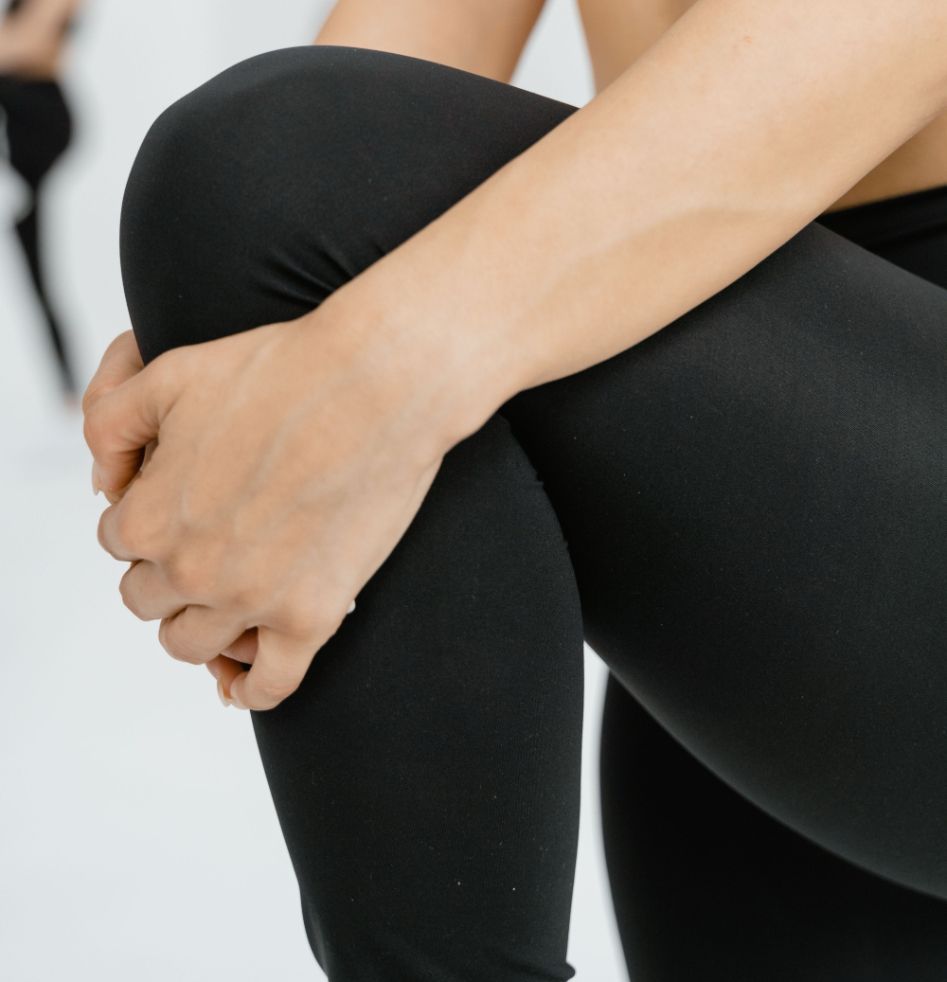
If you do not consistently stretch to achieve full extension (getting the leg completely straight) and flexion (bending) during this brief biological window, the collagen fibers will cross-link and mature into a dense, rigid scar block. Once this tissue hardens, it can lead to a condition called arthrofibrosis (severe joint stiffness). Reversing this stiffness later is incredibly difficult and may require an invasive hospital procedure called "Manipulation Under Anesthesia" (MUA) to physically tear the hardened scar tissue.
Is robotic-assisted knee surgery safer than traditional surgery?
Yes, in terms of anatomical precision, soft-tissue protection, and overall implant alignment. The robotic-assisted system does not replace Dr. Owashi; rather, it acts as an incredibly precise GPS. Before the first incision is made, a 3D digital model of your unique knee anatomy is created.
During surgery, the robotic system provides real-time haptic feedback. This creates a virtual "guardrail" that prevents the surgical instruments from crossing outside the planned boundary. By utilizing sub-millimeter precision, Dr. Owashi can make incredibly accurate bone cuts and balance your ligaments perfectly, resulting in:
- Sparing healthy bone and surrounding soft tissues (muscles, blood vessels, and nerves).
- Reduced post-operative bleeding and swelling.
- A knee implant that aligns perfectly with your natural gait, minimizing unnatural wear and tear.
Will I be in too much pain to perform my recovery stretches?
While temporary discomfort and post-surgical soreness are expected, severe pain should never prevent you from completing your physical therapy. At AVORS, we bypass the outdated "grin and bear it" approach in favor of an advanced, multi-modal pain management protocol.
Before and during surgery, Dr. Owashi and our anesthesiology team utilize targeted nerve blocks (such as adductor canal blocks, which numb the knee without freezing the quadriceps muscles) alongside intraoperative joint-space injections. Post-operatively, we combine specialized, non-narcotic anti-inflammatories, nerve stabilizers, and short-term localized medications. This comprehensive strategy targets pain from multiple pathways, keeping your discomfort well-managed so you can comfortably and confidently perform your life-changing daily stretches.
Will I be in too much pain to perform my recovery stretches?
Discomfort is normal, but severe pain should not hold you back. AVORS utilizes comprehensive, multi-modal pain management protocols specifically designed to keep your pain low enough so that you can easily and successfully perform your physical therapy.
Ready to Reclaim Your Independence?
Do not let a failing, painful knee dictate how you live your life. If you are ready to explore the DePuy Total Knee System and get back to the activities you love, our world-class orthopedic team in the Antelope Valley is ready to guide you.
Contact us today to schedule your initial consultation with Dr. Eric Owashi at AVORS Medical Group.